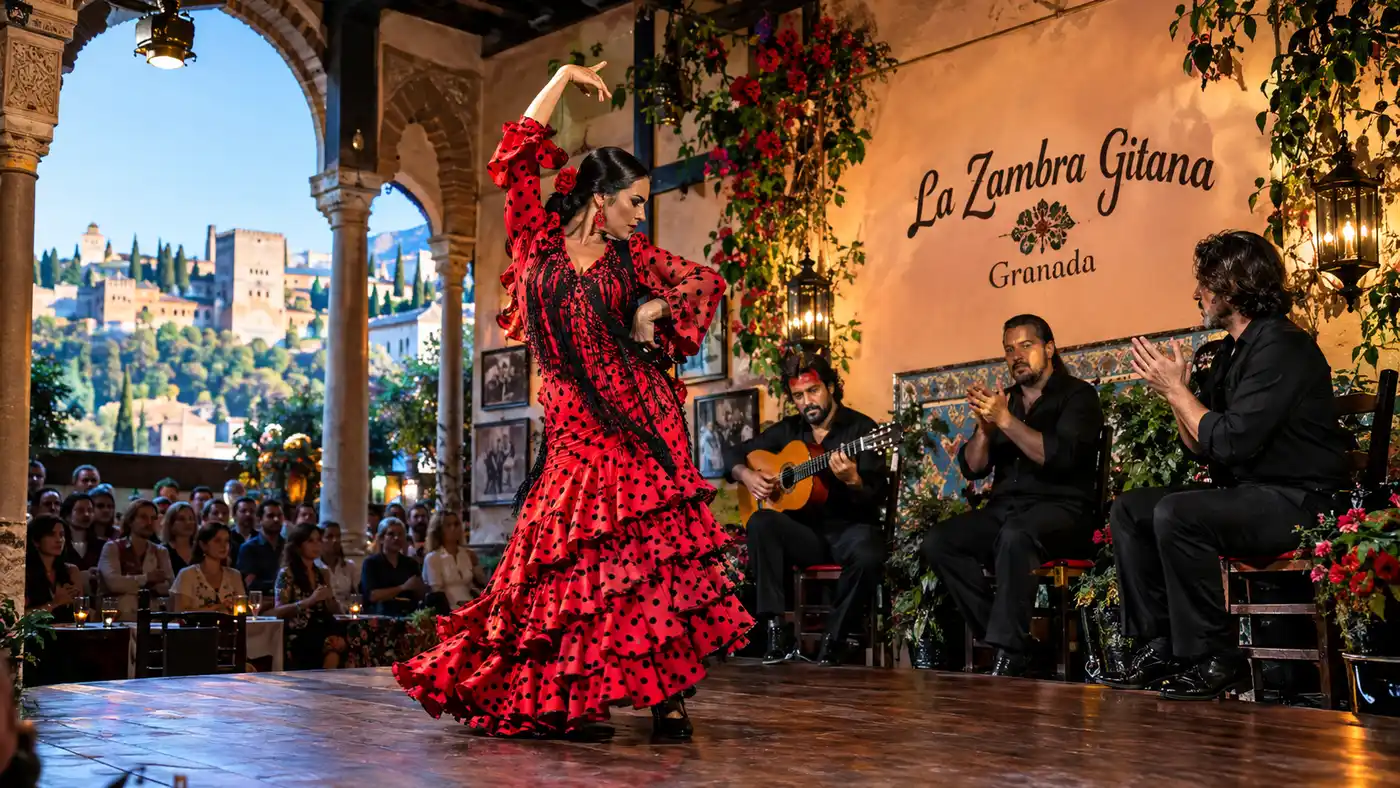
La Zambra Gitana: Granada's Sacred Gypsy Flamenco Ritual
The whitewashed tunnel curves overhead, so low in places that tall guitarists duck on their way to the cane chairs. Copper pans hang along the limestone rock, catching flashes of stage light, while the smell of cool damp stone mingles with stale red wine and crushed mint. You sit three feet from where the heels hit the wood. When the rhythm starts, it punches straight into your chest, rough and unpolished. This is the world of zambra gitana sacromonte, an ancient art form that belongs entirely to the hillside caves of Granada.
Most travelers arrive in southern Spain expecting a standard flamenco show: a raised wooden stage, slick lighting, matching ruffled dresses, and polite applause between numbers. The zambra turns that expectation on its head. It began centuries ago not as theater for paying audiences, but as an intimate, secretive wedding rite among the Romani families living in the craggy bluffs of Sacromonte. Here is what this living ritual actually feels like, how it survived royal bans, and how to experience it without feeling like you stumbled off a packaged tour bus.
Book your flamenco show granada experience:
What Makes the Zambra Gitana del Sacromonte Unique
The word itself traces back to Arabic. Zamra originally referred to a gathering of musicians, a festive party where flutes, drums, and dancing blended under Moorish rule. When the Catholic Monarchs conquered Granada in 1492, they spent decades trying to purge anything tied to Muslim or nomadic culture. Royal decrees in the 1500s outlawed the dance outright, driving it underground into the troglodyte caves carved out of the Valparaíso hill. In those dark, tucked-away quarters, Romani clans blended their own fiery vocal laments with older Andalusian rhythms, keeping the ceremony alive in absolute secrecy.
It stayed hidden for generations because it was never meant for public consumption. A proper zambra gitana del sacromonte dramatized the stages of a gypsy wedding night. The performance broke down into distinct, highly symbolic chapters rather than isolated showpieces:
- La Alboreá: The dawn song celebrating youth, ancestral family lineage, and the bride's purity before marriage.
- La Cachucha: A lively, foot-stomping turn where guests test the bride's agility, punctuated by rapid handclaps and shouting.
- La Mosca: An irreverent, teasing routine where the groom and female relatives dance closely, mimicking domestic life and village courtship.
Unlike conventional modern flamenco, the dancers in a traditional zambra do not stay locked in rigid solos. They sing in chorus, circle one another, and often play finger cymbals or castanets fastened to their middle fingers while keeping bare feet flat on the tile or packed earth. The border between dancer, musician, and onlooker dissolves fast inside an enclosed cave room.
Note: Cave acoustics amplify sound intensely. If you have sensitive ears, sitting in the first two rows will leave your ears ringing for an hour afterward.
Inside the Sacred Ritual: Dance, Rhythm, and Ancient Memory
Watch the feet closely. In a Madrid tablao, dancers focus on lightning-fast zapateado, showing off machine-gun heelwork that rattles the floorboards. The older women dancing the zambra del sacromonte move differently. Their footwork stays earthbound, heavy, and grounded, drawing power from the pelvis and shoulders. They gather their skirts high above the knees with one hand, revealing bare ankles and furious turns that feel ancient, almost tribal. You can read our detailed breakdown of the neighborhood's cave culture in the flamenco caves of Sacromonte guide, where these traditions grew roots over hundreds of years.
I remember sitting next to an elderly local in a cave tucked off Camino del Sacromonte. She told me her grandmother danced these same steps without shoes on cold clay floors during winter rainstorms. That history shows in the faces of the singers. When the cantaor leans back, neck veins thick with effort, releasing a harsh, cracked wail called the quejío, the atmosphere shifts completely. It stops feeling like a show and starts feeling like an inherited memory.
Castanets in Granada carry their own dialect too. Dancers play them without strings around the thumbs; instead, they loop them around middle fingers, creating a sharper, more staccato snap that echoes off the curved white walls. The rhythm cuts through the thick acoustic atmosphere, guiding the guitar rather than following it. This interplay between percussion and voice is what makes flamenco origins granada so deeply entwined with the Romani families who settled along the Darro river valley.
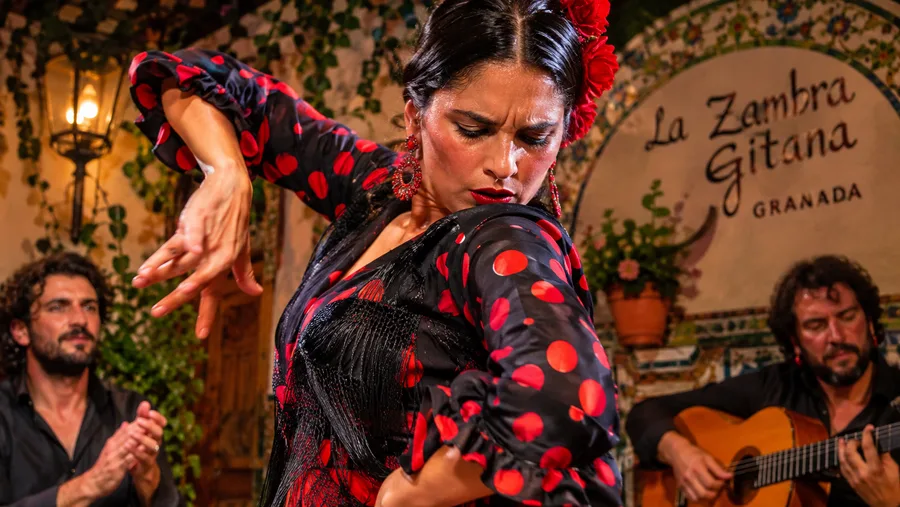
Famous Zambras del Sacromonte: Where to Experience It
Finding an authentic performance requires filtering out the tourist traps. In the mid-twentieth century, Hollywood stars and wealthy travelers discovered Sacromonte, turning several caves into commercial hubs. Places like Cueva de la Rocío or Los Tarantos began running multiple seatings every evening, sometimes packing visitors in like sardines. Yet among the dozens of venues lining the hillside, several family-run caves still honor the old forms with fierce pride.
| Venue | Founded | Ticket Range | Atmosphere | Setting |
|---|---|---|---|---|
| Cueva de María la Canastera | 1953 | €22 - €26 | Historic, reverent, tight quarters | Original cave museum |
| Venta El Gallo | 1977 | €35 - €42 | Lively, scenic terrace views | Deep cave off main road |
| Cueva Los Tarantos | 1972 | €25 - €30 | Energetic, popular with small groups | Long whitewashed tunnel |
| Cueva de la Rocío | 1951 | €28 - €35 | Bustling, theatrical, multi-room | Terraced cave complex |
María la Canastera remains the standard bearer for many traditionalists. María herself was a legendary dancer who lived, cooked, and raised children inside the cave, covering its walls with framed black-and-white portraits of visitors like Ingrid Bergman and the King of Spain. When her family hosts performances today, the setting feels like someone invited you into their living room. You sit on wicker chairs along both sides of a narrow corridor while the performers sweep past your knees.
If you prefer a smaller crowd with less fuss, head further up the hill away from the tour bus drop-offs. If your budget is tight, there are alternative spots scattered across town; our guide to authentic and budget flamenco in Granada outlines several lower-cost alternatives where neighborhood locals gather.
Pro tip: Book the latest evening show available, usually around 10:30 PM. The early 8:00 PM seatings almost always fill with large tour bus groups, while the late slots attract quiet travelers and local aficionados.
Book your flamenco show granada experience:
Practical Guide to Attending a Zambra Sacromonte Granada
Reaching the caves takes a bit of planning. Camino del Sacromonte is narrow, poorly lit in sections, and paved with rounded cobblestones that punish bad shoes. Taxis often refuse to drive deep into the neighborhood on busy weekend evenings due to tight switchbacks and gridlocked traffic.
- Getting there by bus: Take the red C34 microbus from Plaza Nueva straight up into Sacromonte. It runs every 20 minutes until about 11:00 PM.
- Walking up: The climb from the Albaicín takes roughly 25 minutes on foot. Wear flat sneakers or broken-in boots; heels on polished cobblestones are an invitation for twisted ankles.
- Returning at night: Walking downhill toward Plaza Nueva after midnight is generally safe and atmospheric, but keep your phone tucked away and stick to lit pathways along the Cuesta del Chapiz.
- Reservation timing: Reserve seats at least 3 days ahead during spring and autumn, which are Granada's peak travel months.
Dress casually. The caves stay around 18 degrees Celsius year-round, which feels delightfully cool in July and surprisingly humid in November. A light jacket or cardigan is plenty, even when outdoor summer temperatures in the city drop below the furnace-like daytime heat.
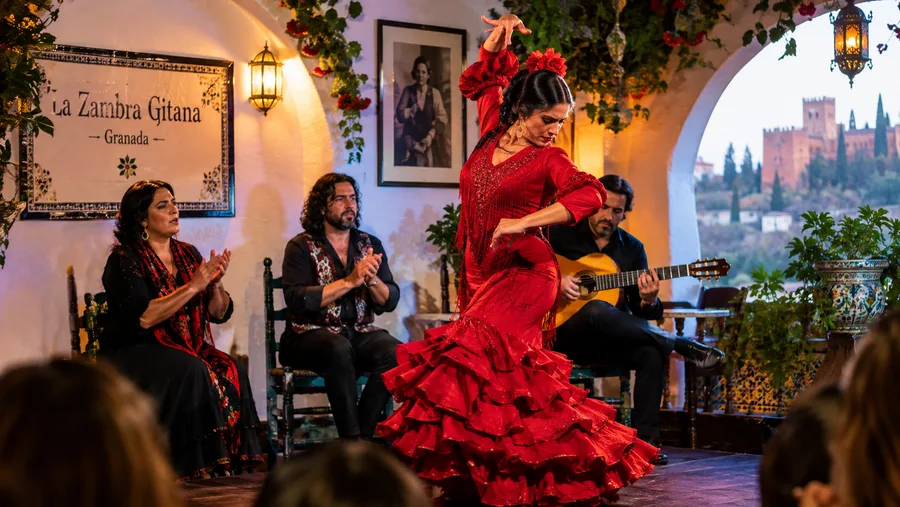
How to Tell Real Tradition from Tourist Spectacle
Commercialization caught up with the zambras sacromonte decades ago. Some caves pipe recorded music through cheap speakers before the show starts, and the dancers rush through five-minute numbers to reset the chairs for the next wave of buses. It can feel hollow if you end up in the wrong place.
A genuine zambra flamenco granada unfolds with loose, communal energy. Look for these specific markers of authenticity when you take your seat:
- No pre-recorded tracks: Guitars, claps, knuckles rapping against wooden chairs, and raw voices should be the only sounds filling the room.
- Intergenerational presence: True Sacromonte caves feature matriarchs, teenagers, and uncles sharing the floor rather than a uniform cast of twenty-somethings.
- Unscripted jaleos: Listen for spontaneous vocal encouragement from off-duty performers leaning against the back doorway; it means the emotion is real.
- Barefoot dancing: At least one routine should feature the older, flat-footed style rooted in rural Gypsy tradition rather than polished theatrical tapping.
When those pieces align, the raw intensity in the room is impossible to fake. You forget about the tight plastic seat and the lukewarm glass of sangria in your hand. The air in the cavern vibrates with a wild, defiant grief that resolves into laughter, foot-stomps, and clapping hands. That spirit is why flamenco y cultura granada remain inseparable from these hills.
Frequently Asked Questions about zambra gitana sacromonte
What is the difference between standard flamenco and a zambra?
Standard flamenco developed primarily as individual stage performances in urban cafes and theaters. The zambra is a communal, ritualized dance originating in Sacromonte caves that acts out traditional wedding customs with singers and dancers performing simultaneously in tight spaces.
How long do performances usually last?
Most cave shows run between 60 and 75 minutes without an intermission. The rhythm is relentless once it begins, moving briskly from slow vocal introductions into fast group dances.
Are children allowed into the cave shows?
Yes, families are welcome in almost every cave venue. Keep in mind that shows start late by northern European standards, and the acoustic volume inside enclosed limestone spaces can be overwhelming for toddlers.
Quick Reference
- Location: Sacromonte caves, 25-minute walk from city center
- Typical ticket cost: €22 to €42 per person
- Show duration: 60 to 75 minutes
- Best transit: C34 microbus from Plaza Nueva
- Key characteristic: Barefoot rhythms and wedding rites
Book your flamenco show granada experience:
Before You Head into the Caves
Go into the caves with an open mind and leave your expectations of polished theatrical flamenco behind. The zambra is loud, sweaty, slightly chaotic, and deeply emotional. Walk up the hill early while twilight turns the Alhambra walls across the ravine into soft pink stone. Grab an ice-cold beer at a dusty roadside bar, listen for the distant clatter of wooden castanets echoing off the cliff face, and let the valley pull you back three hundred years.
Read more about flamenco show granada.